


Subtotal $0.00

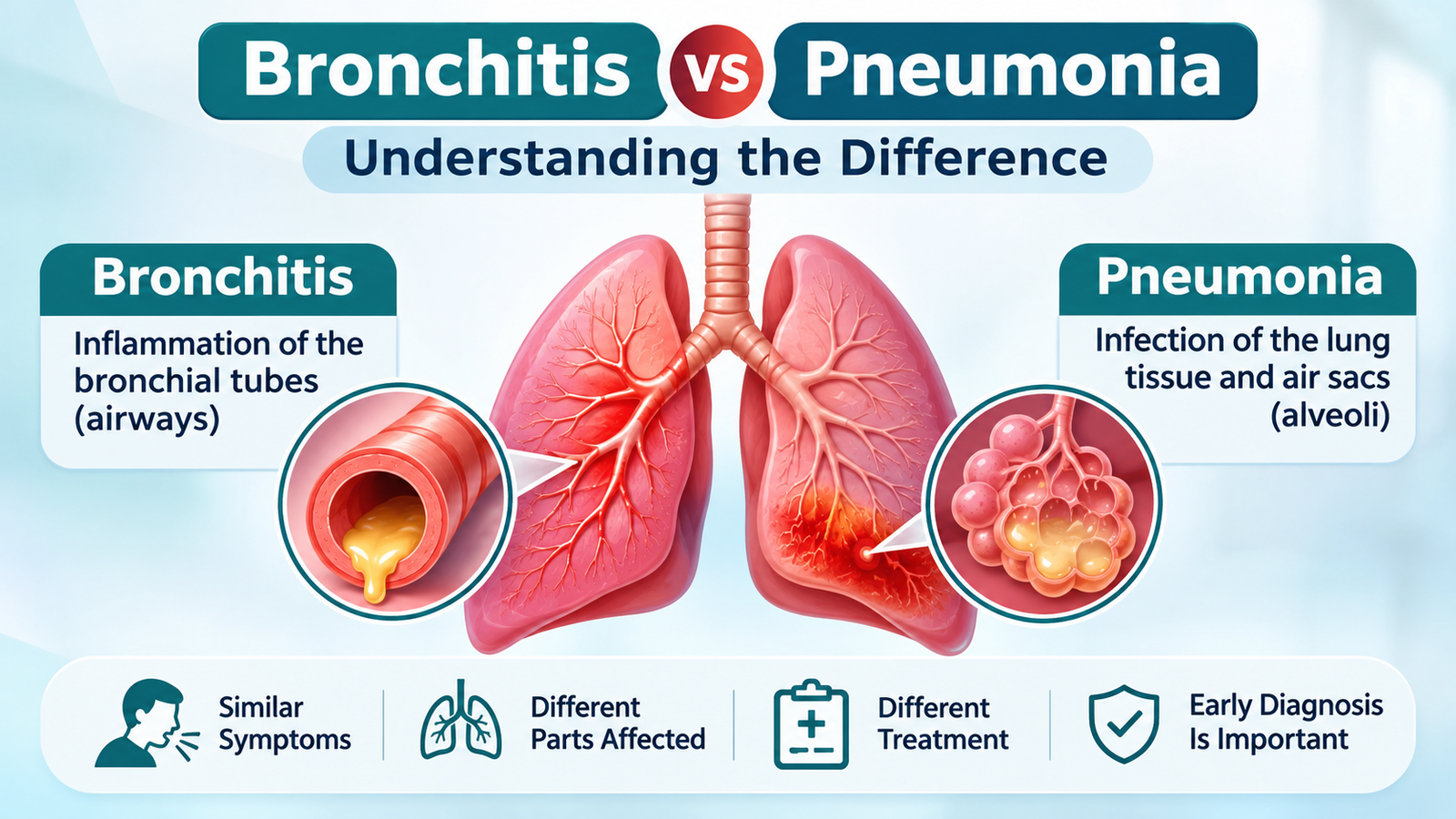
Bronchitis vs Pneumonia: Understanding the Difference
A persistent cough, chest congestion, fever and difficulty breathing can make anyone worried about their respiratory health. Sometimes, these symptoms are caused by bronchitis. In other cases, they may indicate pneumonia.
Although both conditions affect the respiratory system and can cause similar symptoms, they are not the same. Bronchitis mainly affects the airways that carry air into the lungs, whereas pneumonia affects the lung tissue, particularly the tiny air sacs responsible for oxygen exchange.
Understanding the difference between bronchitis and pneumonia can help you recognise warning signs and seek appropriate medical attention.
What Is Bronchitis?
Bronchitis is a condition in which the bronchial tubes become inflamed. These tubes carry air from the windpipe into the lungs. When their lining becomes irritated or swollen, the airways may produce extra mucus, leading to persistent coughing.
Most cases of acute bronchitis develop after a viral respiratory infection, such as the common cold or flu. It is often called a chest cold.
Bronchitis is generally classified into two types:
1. Acute Bronchitis
Acute bronchitis is a short-term inflammation of the bronchial tubes. It commonly develops after a viral infection and usually improves within a few weeks.
However, the cough may continue for up to three weeks or sometimes longer, even after other symptoms have improved.
2. Chronic Bronchitis
Chronic bronchitis is a long-term condition associated with persistent inflammation and mucus production in the airways. It is commonly linked to chronic obstructive pulmonary disease (COPD).
Clinically, chronic bronchitis is defined by a productive cough lasting at least three months in each of two consecutive years, after excluding other causes.
What Is Pneumonia?
Pneumonia is an infection that causes inflammation in the lungs. It affects the tiny air sacs called alveoli, which normally fill with air during breathing.
When pneumonia develops, these air sacs may fill with fluid or pus. This makes it harder for oxygen to pass into the bloodstream and can lead to breathing difficulties.
Pneumonia can range from a mild infection to a serious illness requiring hospitalisation.
It can be caused by:
- Bacteria: Bacterial infections, including Streptococcus pneumoniae, are an important cause of pneumonia.
- Viruses: Influenza, respiratory syncytial virus (RSV) and COVID-19 can cause pneumonia.
- Fungi: Certain fungal infections can cause pneumonia, particularly in people with weakened immune systems.
Bronchitis vs Pneumonia: Key Differences
The main difference between bronchitis and pneumonia is the part of the respiratory system affected. Bronchitis affects the bronchial tubes, while pneumonia affects the lung tissue and air sacs.
| Feature | Bronchitis | Pneumonia |
|---|---|---|
| Area affected | Bronchial tubes (airways) | Lung tissue and air sacs |
| Main cause | Usually viral infections | Bacterial, viral or fungal infections |
| Cough | Often persistent, with or without mucus | May produce mucus and can be persistent |
| Fever | Often absent or mild | May be moderate or high, but can also be absent |
| Chest discomfort | Commonly occurs while coughing | May occur during deep breathing or coughing |
| Breathing difficulty | Usually mild, although wheezing may occur | Can be more pronounced due to affected air sacs |
| Diagnosis | Usually based on symptoms and examination | May require a chest X-ray and other tests |
| Treatment | Usually supportive care for acute viral cases | Depends on the cause and severity; bacterial cases need antibiotics |
| Recovery | Often around 2–3 weeks for acute cases | Many people improve within 2–4 weeks, but recovery can take longer |
| Serious complications | Less common in otherwise healthy people with acute bronchitis | Can cause low oxygen levels, sepsis and other complications |
Important: Symptoms alone cannot reliably distinguish bronchitis from pneumonia. A medical examination is important, especially if fever, breathlessness or chest pain is present.
Symptoms of Bronchitis
Bronchitis commonly begins with symptoms similar to those of a cold or flu. A cough is usually the most noticeable symptom.
Common symptoms include:
- Persistent cough, with or without mucus.
- Chest discomfort, especially while coughing.
- Sore throat.
- Runny or blocked nose.
- Mild fever.
- Tiredness and weakness.
- Wheezing or a whistling sound while breathing.
- Mild shortness of breath.
Some people continue coughing even after the infection has settled. This happens because the airways may remain irritated for some time.
Symptoms of Pneumonia
Pneumonia can cause more significant respiratory symptoms because the infection affects the lungs’ ability to exchange oxygen.
Common symptoms include:
- Persistent cough, sometimes producing mucus.
- Fever and chills.
- Shortness of breath.
- Chest pain that becomes worse when breathing deeply or coughing.
- Unusual tiredness and weakness.
- Loss of appetite.
- Rapid breathing.
- Body aches.
- Confusion, particularly in older adults.
Not everyone with pneumonia develops all these symptoms. Older adults and people with weakened immune systems may have less typical symptoms, sometimes without a noticeable fever.
What Causes Bronchitis and Pneumonia?
Causes of Bronchitis
Acute bronchitis is most commonly caused by viruses. These infections irritate the bronchial tubes and increase mucus production.
Common contributing factors include:
- Common cold viruses.
- Influenza viruses.
- Respiratory syncytial virus (RSV).
- Exposure to cigarette smoke.
- Air pollution and dust.
- Chemical fumes and workplace irritants.
Smoking and repeated exposure to environmental irritants can also contribute to chronic bronchitis.
Causes of Pneumonia
Pneumonia develops when infectious organisms enter the lungs and cause inflammation in the air sacs.
Some common causes include:
- Bacterial infections, particularly pneumococcal infections.
- Influenza and other respiratory viruses.
- COVID-19 infection.
- Fungal infections in susceptible individuals.
- Aspiration of food, liquid or stomach contents into the lungs, which can cause aspiration pneumonia.
Who Is at Higher Risk?
Although anyone can develop bronchitis or pneumonia, certain people are more vulnerable to respiratory infections and complications.
People at higher risk include:
- Adults aged 65 years and above.
- Young children, particularly infants.
- People with diabetes.
- Individuals with asthma or COPD.
- People with chronic heart or kidney conditions.
- Individuals with weakened immune systems.
- People who smoke or are regularly exposed to secondhand smoke.
- Individuals exposed to dust and air pollution for extended periods.
People in these groups should seek medical advice early if they develop respiratory symptoms.
How Are Bronchitis and Pneumonia Diagnosed?
Because both conditions can cause coughing, fever and breathing difficulties, doctors assess the patient’s symptoms and perform a physical examination before deciding whether additional investigations are needed.
1. Medical History and Physical Examination
The doctor may ask about the duration of the cough, fever, mucus production, breathing difficulties, smoking history and existing medical conditions.
A stethoscope is used to listen to the lungs for wheezing, crackling sounds or other abnormal breathing noises.
2. Chest X-ray
A chest X-ray may be recommended when pneumonia is suspected. It helps doctors identify areas of infection or inflammation in the lungs.
Chest X-rays are not routinely required for uncomplicated acute bronchitis.
3. Pulse Oximetry
A pulse oximeter is a small device placed on the finger to estimate the oxygen saturation level in the blood.
It helps doctors assess whether a respiratory condition is affecting oxygen levels.
4. Blood Tests
Blood tests may be recommended depending on the patient’s condition. They can help assess inflammation, infection and other health concerns.
5. Sputum Test
In selected cases, a sample of mucus coughed up from the lungs may be tested to identify the organism responsible for the infection.
Bronchitis Treatment: How Is It Managed?
Treatment for bronchitis depends on whether it is acute or chronic and what is causing the inflammation.
Treatment for Acute Bronchitis
Most cases of acute bronchitis are caused by viruses and improve without specific medication.
Doctors may recommend:
- Adequate rest and sufficient fluid intake.
- Warm fluids to soothe throat irritation.
- Appropriate medication to relieve fever or body pain.
- Suitable cough medicines when clinically appropriate.
- Inhaled medication if wheezing or airway narrowing requires treatment.
- Avoiding smoking, dust and other respiratory irritants.
Are antibiotics necessary?
Antibiotics do not treat viral infections. They are generally not recommended for uncomplicated acute bronchitis. A doctor may prescribe them when a specific bacterial infection requiring antibiotic treatment is identified or suspected.
Treatment for Chronic Bronchitis
Chronic bronchitis requires long-term management, particularly when it is associated with COPD.
Treatment may include:
- Stopping smoking and avoiding secondhand smoke.
- Prescribed bronchodilator inhalers.
- Other inhaled medications when indicated.
- Pulmonary rehabilitation.
- Vaccination according to individual recommendations.
- Regular monitoring of lung function and symptoms.
Pneumonia Treatment: What Are the Options?
Pneumonia treatment depends on the infection’s cause, the patient’s age, existing health conditions and the severity of symptoms.
1. Antibiotics for Bacterial Pneumonia
Antibiotics are used to treat bacterial pneumonia. The doctor selects the appropriate medicine based on the likely organism, clinical condition and local treatment guidelines.
Patients should complete the prescribed course and should not take antibiotics without medical advice.
2. Supportive Treatment for Viral Pneumonia
Viral pneumonia may require supportive treatment, including rest, fluids and monitoring. Specific antiviral medicines may be appropriate for certain viral infections.
3. Oxygen Therapy
Patients with low oxygen levels may require supplemental oxygen to support normal body functions.
4. Hospitalisation
Severe pneumonia may require hospital treatment. Depending on the patient’s condition, treatment can include intravenous medication, oxygen support, close monitoring and respiratory support.
Can Bronchitis Turn Into Pneumonia?
Bronchitis and pneumonia are different respiratory conditions. Having bronchitis does not automatically mean that a person will develop pneumonia.
However, respiratory infections can sometimes involve different parts of the respiratory system, and a person may develop pneumonia during or after an illness that initially appeared to be bronchitis.
If a cough becomes worse, fever develops or returns, chest pain increases or breathing becomes difficult, medical evaluation is important.
When Should You See a Doctor?
Do not ignore a persistent cough or breathing difficulty. Early medical assessment can help identify the cause and prevent complications.
Consult a doctor if you experience:
- A cough lasting longer than three weeks.
- Fever that persists or becomes worse.
- Chest pain while breathing or coughing.
- Persistent wheezing.
- Shortness of breath during normal activities.
- Repeated respiratory infections.
- Blood in your cough or sputum.
- Symptoms that are getting worse instead of improving.
Warning Signs That Require Immediate Medical Attention
Seek emergency medical care if you or someone around you experiences:
- Severe difficulty breathing.
- Blue or grey lips, tongue or skin.
- Sudden confusion or reduced alertness.
- Severe or persistent chest pain.
- Inability to stay awake or difficulty waking up.
Do not delay emergency care while waiting for symptoms to improve.
How Can You Prevent Bronchitis and Pneumonia?
Although not every respiratory infection can be prevented, certain daily habits can reduce the risk of infection and help protect your lungs.
1. Maintain Good Hand Hygiene
Wash your hands regularly with soap and water, particularly after coughing, sneezing or visiting public places.
2. Avoid Smoking
Smoking damages the respiratory system and increases the risk of chronic bronchitis and other lung diseases. Avoid secondhand smoke as well.
3. Stay Up to Date With Vaccinations
Vaccines can help protect against certain infections that cause respiratory illness. Ask your doctor about influenza, pneumococcal and COVID-19 vaccinations based on your age and health conditions.
4. Cover Your Mouth When Coughing or Sneezing
Use a tissue or your elbow to cover your mouth and nose. Dispose of used tissues properly and wash your hands afterwards.
5. Reduce Exposure to Air Pollution
Avoid unnecessary exposure to dust, smoke, chemical fumes and polluted environments. Use appropriate respiratory protection when exposure cannot be avoided.
6. Maintain a Healthy Lifestyle
Eat a balanced diet, stay physically active according to your health condition, get sufficient sleep and manage existing medical conditions.
Frequently Asked Questions About Bronchitis vs Pneumonia
1. Which is more serious, bronchitis or pneumonia?
Pneumonia is generally more serious because it affects the lung tissue and can interfere with oxygen exchange. However, severe bronchitis and chronic bronchitis can also cause significant health problems. The seriousness depends on the individual patient’s condition.
2. How can I tell whether I have bronchitis or pneumonia?
Both conditions can cause cough, mucus production and breathing difficulties. Pneumonia may be associated with fever, chills, rapid breathing and more significant breathlessness. However, symptoms overlap, so a medical examination and sometimes a chest X-ray are needed to distinguish them.
3. Does bronchitis require antibiotics?
Most cases of acute bronchitis are caused by viruses and do not require antibiotics. Antibiotics are used only when a bacterial infection requiring such treatment is identified or suspected.
4. Can pneumonia occur without a fever?
Yes. Some people, particularly older adults and individuals with weakened immune systems, can develop pneumonia without a noticeable fever. Other symptoms, such as cough, weakness, confusion or breathlessness, may still occur.
5. How long does bronchitis last?
Acute bronchitis usually improves within around three weeks. However, a cough can sometimes continue after the infection has settled. A cough lasting longer than three weeks should be medically assessed.
6. How long does pneumonia take to recover from?
Many people start feeling better within two to four weeks. However, tiredness, weakness and cough may continue for longer, particularly after severe pneumonia or in older adults.
7. Is pneumonia contagious?
Some organisms that cause pneumonia can spread from person to person through respiratory droplets or other routes. However, not every case of pneumonia is contagious in the same way. The risk depends on the underlying cause.
8. Can children develop bronchitis and pneumonia?
Yes. Children can develop both conditions. Infants and young children may experience rapid breathing, poor feeding, unusual sleepiness or difficulty breathing. Seek prompt medical attention if these symptoms occur.
9. Is a chest X-ray necessary for bronchitis?
Not usually. Acute bronchitis is generally diagnosed through symptoms and a physical examination. A chest X-ray may be recommended if the doctor suspects pneumonia or another lung condition.
10. When should I consult a pulmonologist?
Consider consulting a pulmonologist if you have persistent coughing, repeated respiratory infections, unexplained breathlessness, wheezing or an existing lung condition that requires specialist care.
Conclusion: Understand the Difference and Protect Your Lung Health
Bronchitis and pneumonia may cause similar symptoms, but they affect different parts of the respiratory system. Bronchitis mainly causes inflammation of the airways, while pneumonia affects the lung tissue and air sacs.
Most cases of acute bronchitis improve with supportive care, whereas pneumonia may require antibiotics, oxygen therapy or hospital treatment depending on its cause and severity.
If you experience persistent coughing, fever, chest pain or difficulty breathing, do not rely on symptoms alone to identify the condition. Consult a healthcare professional for an accurate diagnosis and appropriate treatment.
Taking respiratory symptoms seriously and seeking timely medical care can help protect your lung health.
Medical Disclaimer: This article is intended for general educational purposes only. It does not replace professional medical advice, diagnosis or treatment. Symptoms and treatment requirements vary from person to person. Always consult a qualified healthcare professional for individual medical guidance.