


Subtotal $0.00

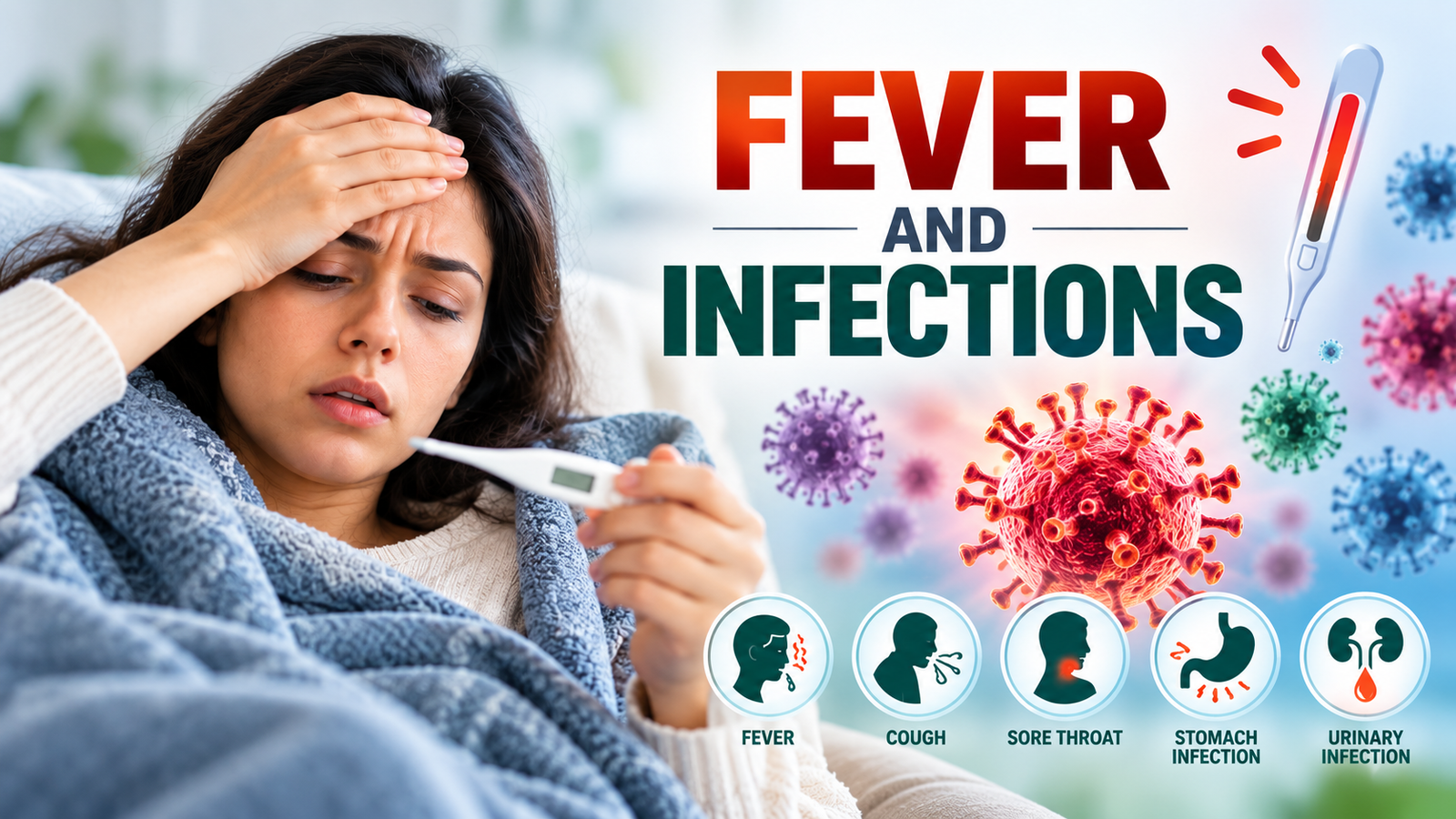
Fever and Infections: Causes, Symptoms, Treatment and When to See a Doctor
Fever is something almost everyone experiences at some point. It may start with tiredness and body aches, followed by chills, headache, cough, sore throat or other symptoms. Sometimes the reason is obvious. At other times, it can be difficult to know what is causing the fever.
An infection is one of the most common reasons for fever. Viral and bacterial infections can both cause a rise in body temperature, but they do not always need the same treatment.
This guide explains what fever means, which infections can cause it, what symptoms to watch for, how doctors investigate persistent fever, and when medical attention is important.
What Is a Fever?
Fever is a rise in body temperature that happens as part of the body’s response to illness. It is a symptom, not a disease by itself.
Infections are a common cause of fever. When the immune system detects harmful germs, it starts a series of responses to help the body deal with them. One of these responses can be an increase in body temperature.
The number shown on a thermometer is useful, but it does not tell the whole story. Two people with the same temperature may have very different illnesses and may need different types of care.
Remember:
Fever should be considered along with other symptoms such as cough, breathing difficulty, stomach problems, urinary symptoms, rash, pain, weakness and changes in alertness.
Why Do Infections Cause Fever?
Your immune system is constantly checking for harmful bacteria, viruses and other organisms. When it detects an infection, the body releases immune signals that can affect the part of the brain that regulates body temperature.
This is why fever often appears when the body is fighting an infection. Chills or shivering may happen as the temperature rises, while sweating can occur as the temperature comes back down.
However, reducing the temperature is only one part of managing a fever. The more important question is often: What is causing the fever?
Common Infections That Can Cause Fever
Fever can occur with infections affecting different parts of the body. The symptoms that come with the fever can provide useful clues.
1. Respiratory infections
Viral respiratory infections are common causes of fever. Depending on the illness, you may also have cough, sore throat, runny nose, blocked nose, headache, tiredness, chills or body aches.
More significant respiratory infections, including pneumonia, can cause fever together with persistent cough, breathing difficulty or chest discomfort and may require medical assessment.
2. Urinary tract infections
A urinary infection may cause burning while passing urine, frequent urination, an urgent need to urinate or discomfort in the lower abdomen.
If the infection reaches the kidneys, a person may develop fever, chills, back or side pain, nausea or a generally unwell feeling.
3. Stomach and intestinal infections
Some gastrointestinal infections cause fever along with diarrhoea, vomiting, nausea, stomach cramps or abdominal pain.
In these situations, preventing dehydration is particularly important. This is especially true for young children and older adults.
4. Skin and soft-tissue infections
A skin infection may cause an area of skin to become red, warm, swollen and painful. Pus or discharge may also be present.
Fever together with a rapidly spreading area of redness or increasing pain should be assessed by a healthcare professional.
5. Other infections
Infections can affect many organs and systems. The symptoms, examination findings and medical history help doctors decide which tests may be useful.
When Is an Internal Medicine Consultation Helpful?
If your fever is not settling, keeps coming back, or is accompanied by symptoms that are difficult to explain, an internal medicine doctor can assess the overall picture rather than focusing on fever alone.
Common Symptoms That May Occur With Fever
Fever rarely occurs completely on its own. The symptoms that appear alongside it can help doctors understand where an infection may be coming from.
Fever and chills
Shivering or feeling unusually cold can happen when the body’s temperature is rising.
Fever and body pain
Headache, muscle aches and tiredness are common with several viral infections.
Fever and cough
A fever with cough, sore throat or breathing symptoms may occur with respiratory infections.
Fever and vomiting
Fever accompanied by vomiting, nausea or diarrhoea may occur with gastrointestinal infections.
Fever and urinary problems
Burning urination, frequent urination or pain in the back or side can occur with urinary infections.
Fever and severe weakness
Marked weakness, dizziness or reduced urine output may be signs of dehydration or a more serious illness.
Why the Cause of Fever Matters
A mild viral illness may improve with rest, fluids and time. A bacterial infection may require specific treatment. Another cause of fever may need a completely different approach.
This is why taking medication simply because you have a fever is not always appropriate.
People with diabetes, chronic heart or lung conditions, weakened immunity and other long-term health problems may need medical advice sooner when they develop an infection.
Very young children and older adults may also need closer observation because infections can affect them differently.
How Do Doctors Find the Cause of Fever?
There is no single test that can identify every cause of fever. Doctors usually begin with your symptoms and medical history before deciding whether tests are necessary.
-
Understanding your symptoms
Your doctor may ask when the fever started, whether it is continuous or comes and goes, and what other symptoms appeared at the same time. -
Physical examination
Depending on your symptoms, the doctor may examine your throat, ears, lungs, abdomen, skin and other parts of the body. -
Blood or urine tests
Laboratory tests may be advised when your symptoms or examination suggest that they could help identify the cause. -
Imaging or additional tests
Tests such as a chest X-ray or other investigations may be considered when there are specific signs pointing towards a particular condition.
Good medical evaluation does not always mean having many tests. The aim is to choose investigations that are appropriate for the symptoms and clinical findings.
How Are Fever and Infections Treated?
Treatment depends on the underlying cause. There is no single medicine that is suitable for every person with fever.
Viral infections
Many common viral infections improve with supportive care. This may include adequate fluids, rest and measures to relieve uncomfortable symptoms.
Some specific viral infections may require antiviral medicines, particularly when treatment is started early or when the person is at higher risk of complications.
Bacterial infections
Some bacterial infections need antibiotics. The medicine chosen depends on the type and location of the infection and the individual patient’s medical condition.
Managing fever symptoms
Fever-reducing medicines may be used when appropriate to improve comfort. The correct medicine and dose depend on factors such as age, existing medical conditions and other medicines being taken.
Do not start antibiotics on your own.
Antibiotics are designed to treat certain bacterial infections. They do not treat most viral infections. Unnecessary antibiotic use can cause side effects and contributes to antibiotic resistance.
What Can You Do at Home for a Mild Fever?
If your symptoms are mild and you do not have warning signs, supportive care can help you stay comfortable while your body recovers.
- Drink enough fluids throughout the day.
- Take adequate rest and allow your body time to recover.
- Wear comfortable clothing and avoid excessive layers.
- Eat small, nutritious meals if you feel hungry.
- Check your temperature if you need to monitor how the illness is changing.
- Take medicines only according to medical advice or the instructions provided with the medicine.
- Do not use leftover antibiotics from a previous illness.
If vomiting or diarrhoea is present, pay close attention to hydration. Very little urine, dizziness, excessive thirst, a dry mouth or increasing weakness can indicate dehydration.
Do You Need Antibiotics for Fever?
Not necessarily.
Fever by itself is not a reason to take an antibiotic. Antibiotics are used for certain bacterial infections, while they do not work against viruses.
For example, many common respiratory illnesses are viral and get better without antibiotics. Taking an antibiotic when it is not needed may cause side effects and can contribute to antibiotic resistance.
If a bacterial infection is suspected, a doctor can decide whether an antibiotic is appropriate and which treatment is suitable.
When Should You See a Doctor for Fever?
A mild fever may settle on its own, but medical advice is important when symptoms persist, worsen or are accompanied by warning signs.
- Fever continues for several days without clear improvement.
- Fever goes away and then returns.
- You develop shortness of breath or difficulty breathing.
- You experience chest pain or pressure.
- You are repeatedly vomiting or cannot keep fluids down.
- You are passing very little urine or have signs of dehydration.
- You become unusually sleepy, confused or difficult to wake.
- You develop severe weakness or your overall condition is getting worse.
- You have a severe headache with a stiff neck.
- You develop a new rash or unusual bruising along with fever.
- You have a medical condition or weakened immune system that increases your risk from infections.
When Is Fever an emergency?
Fever requires urgent medical attention when it occurs with serious symptoms such as:
- Severe difficulty breathing
- Blue or grey lips or face
- Severe chest pain or pressure
- Confusion or inability to stay awake
- Seizures
- Severe dehydration or inability to urinate
- Severe weakness or inability to stand normally
- Severe headache with a stiff neck
Do not wait for the temperature to come down before seeking help when serious symptoms are present.
How Can You Reduce the Risk of Infections?
It is not possible to prevent every infection, but a few everyday habits can lower your risk and reduce the chance of spreading illness to other people.
- Wash your hands regularly with soap and water.
- Avoid touching your eyes, nose and mouth with unwashed hands.
- Cover your mouth and nose when coughing or sneezing.
- Limit close contact with others when you are unwell.
- Keep recommended vaccinations up to date.
- Follow good food and drinking-water hygiene.
- Keep chronic conditions such as diabetes under appropriate medical care.
- Seek medical advice if symptoms are persistent or getting worse.
Frequently Asked Questions About Fever and Infections
Is fever always caused by an infection?
No. Infections are a common cause of fever, but fever can also occur with some inflammatory conditions, medicines and other medical problems. The cause needs to be considered together with your symptoms and medical history.
Can a viral infection cause a high fever?
Yes. Some viral infections can cause a high fever. The temperature alone cannot reliably tell you whether an illness is viral or bacterial or how serious the illness is.
Should I take antibiotics when I have a fever?
Not unless a healthcare professional recommends them for a suspected or confirmed bacterial infection. Antibiotics do not treat viral infections.
What should I drink when I have a fever?
Drinking suitable fluids can help maintain hydration. If you also have vomiting or diarrhoea, ask a healthcare professional about the most appropriate way to replace fluids and electrolytes.
Can fever and body pain occur together?
Yes. Fever, muscle aches, headache, chills and tiredness can occur together with several viral infections, including influenza.
When should I consult an internal medicine doctor?
An internal medicine consultation can be useful when fever persists, repeatedly returns, occurs with unexplained symptoms, or develops in someone with an existing medical condition.
Can children and older adults have different symptoms?
Yes. The way infections present can vary with age. Young children, older adults and people with weakened immunity may need medical assessment sooner if they develop fever or other signs of infection.
Medical Disclaimer:
This article is intended for general health education. It should not be used as a substitute for an examination, diagnosis or treatment plan from a qualified healthcare professional.
Fever can have many causes, and the right evaluation depends on factors such as age, symptoms, medical history and overall health. If symptoms are severe, worsening or concerning, seek medical attention promptly.